
 1 year ago
274
1 year ago
274

.jpg)

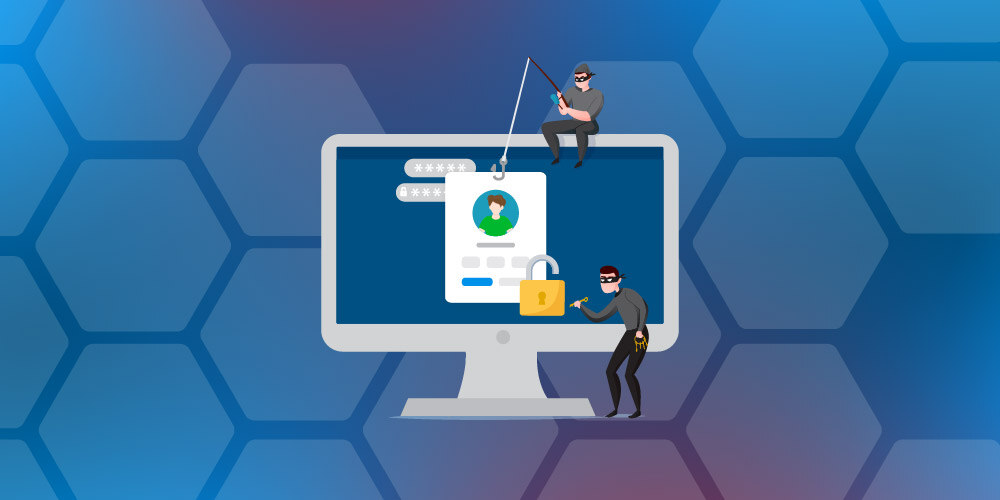
TL;DR: Botnets are networks of infected devices controlled by cybercriminals to carry out large-scale malicious activities. Botnets affect all internet users, with advertisers particularly vulnerable due to ad fraud. It’s time to talk about botnets. You might be familiar with these legions of zombie devices set out to mimic human interactions on ads. What might seem like a mere annoyance in the grand scheme of the internet can wreak major havoc on your advertising campaigns. Botnets are stealing more than just your time and resources. They also erode the trust and efficacy that digital advertising relies on. A botnet, in its simplest form, is a network of interconnected devices that have fallen victim to malware infections. This is why they’re compared to zombies; they essentially become obedient pawns in the hands of cybercriminals. The devices that make up this network can span from personal computers and smartphones to IoT devices like smart fridges or security cameras. These devices are typically compromised and controlled without the owners even knowing it. The infected devices can then be commanded by their master to carry out malicious attacks on a large scale. Botnets can vary greatly in size and sophistication. They are usually categorized by the types of attacks they are designed to perform. Some common types include: Botnets are becoming increasingly more sophisticated. Today, it’s not uncommon to see them use to-peer (P2P) communication. This advancement allows bots to operate without a single point of failure, so it’s harder to dismantle them. Cybercriminals use a variety of social engineering techniques to spread botnet malware. They might also exploit software vulnerabilities to infect devices. A better question would be, who isn’t at risk? As we’ve shared before, almost 50% of internet traffic comes from non-human sources. An estimated one-third of all traffic is predicted to be bad bots. Bots are a universal threat and can impact any individual or industry. Some botnet operations even pose risks to national security. Advertisers, in particular, are uniquely vulnerable… By our estimates, ad fraud costs businesses up to $140 billion annually. A good portion of this can be directly attributed to bots. Here are a few more ways these bot networks can impact ad performance. Bots rely on being stealthy to carry out malicious actions for as long as possible. It can be very difficult to pinpoint an individual bot within a larger botnet. That being said, there are some ways to spot a botnet attack. By keeping an eye on traffic patterns, you may be able to uncover the command and control (C&C) infrastructure that coordinates the activities of the botnet. The most common signs include an unusual increase in outbound network traffic. Similarly, you might notice an abnormally high number of requests from a single device or a group of devices in the network. These are both signs that a device is sending data to a C&C server. The best way to protect your ads from the impact of botnets is with a dedicated ad fraud solution. Software updates and firewalls are a good start but are not impenetrable. Ad fraud solutions are meticulously crafted to detect and thwart fraudulent activities within digital advertising, particularly those carried out by botnets. Experience the power of Anura and discover just how much fraud you have with a free trial!
1. What is a Botnet?
Types of Botnets
2. How do Botnets Work?
3. Who is at Risk for Botnets?
4. How Do Botnets Impact Ad Performance?
5. How Can I Identify Botnet Influence?
6. How Can I Stop Botnets?

.png)


.jpeg)
